

Best iGaming Payment Providers 2026: 78 PSPs & Processors Compared
Revenue can be frozen overnight if a provider unexpectedly exits your category. Any uplift that is promised should be treated as a claim to verify through your own reporting. Capabilities are outlined in public materials. Regardless of the situation (the cash belongs to you but cannot be used for marketing), licensing fees, or player withdrawals. A player each from Canada — Germany, and Brazil can view a recognizable currency and a familiar payment method at checkout.
Advanced affiliate and agent management platform with commission models, tracking dashboards, referral analytics, and revenue reporting. The operator should establish its target jurisdictions (licensing arrangements), permitted deposit and withdrawal methods, currencies, wallet-crediting policy, and reporting requirements. A PSP may offer broader payment acceptance (processing), payout, and reporting services. His work covers go-to-market planning — market and customer analysis, revenue strategy, channel performance, and partnerships.
Instead of working with many payment providers alone, operators can use a single PSP that provides access to numerous payment options via a single integration. A Payment Service Provider (PSP) handles services for operators to accept payment information over multiple channels such as credit cards, debit cards, e-wallets, bank transfers, and alternative payment methods (APMs). It includes regulatory compliance (fraud prevention), multi-currency transactions, player verification, and high-risk payment processing, and is unlike any other eCommerce payment system. They process high-volume, real-time transactions while protecting the platform from fraud and chargebacks. In addition to their user experience as a functional means to operations, payment solutions are essential to survival.
Some markets have domestic wallets (bank-based methods), or other payment options that players prefer over international cards. An iGaming payment gateway securely connects the operator’s checkout with the payment processor or acquiring bank. For an iGaming operator, successful iGaming payment processing therefore depends on much more than simply connecting a checkout page. A typical deposit starts when a player chooses a payment method and enters their payment details. Learn how iGaming payment solutions work, including payment gateways, processing, payment methods, fees, acceptance rates, chargebacks, and what to look for in a provider. Talk to our team and get a tailored platform proposal within 48 hours.
Essential security measures include SSL/TLS encryption (PCI DSS compliance), tokenization of sensitive data, multi-factor authentication, and AI-powered fraud detection. Implement ongoing gaming payment options for Indian merchants monitoring to track transaction success rates (identify issues), and optimize performance. Popular e-wallets like Skrill, Neteller, and PayPal provide dedicated gaming services with specialized features for online gambling. Visa (Mastercard and card payments still command 45% of global iGaming turnover), yet UK and Aus credit bans, plus rising interchange, make a secondary rail essential. For example — Trustly’s Pay N Play lets users deposit straight from a verified bank and is live at 500+ EU casinos. These methods include prepaid vouchers (mobile payments), and cryptocurrency solutions that cater to diverse player preferences and regional requirements.
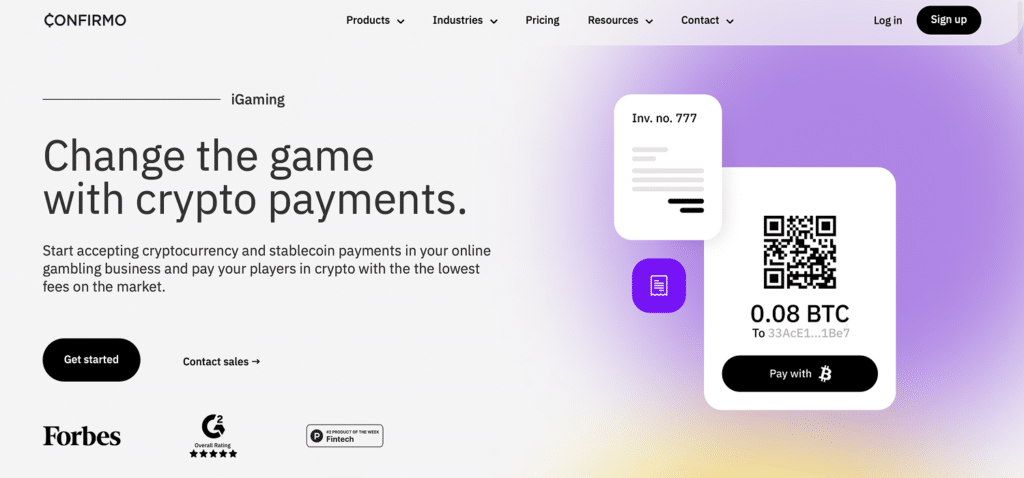
Selecting the appropriate payment methods for your iGaming platform: a guide.
The development team can then assess what the integration will require. Separating provider performance from internal platform failures helps operators determine where corrective action is needed. Security requirements should be defined across the operator, PSP, infrastructure providers, and engineering team rather than assumed to belong entirely to one organization. However, every new PSP creates additional integration, reporting, testing, financial, and operational responsibilities. A payment integration is not production-ready simply because the cashier successfully completes a test transaction. Timing differences, reporting cutoffs, settlement delays, and fees can cause legitimate discrepancies.
Reasons for operators to operate their own branded iGaming payment gateways.
Custodial wallet services and other virtual asset services provided by PaidInSatoshi Inc., Centauri Pay LLC or their partners. Talk to our team and we’ll build the right money movement infrastructure for your platform, whatever your jurisdictions, player base, or compliance requirements. Our team is available whenever you need us because iGaming platforms (casinos), and CRMs don’t run on business hours.
PayPay , formerly Mefete, is a secure digital wallet in Turkey, allowing users to quickly manage payments, transfers, and money storage with ease. Jeton is a global e-wallet solution that allows users to send, receive, and store multiple currencies for online purchases, money transfers, and bill payments securely. He writes research-led guides that help operators and suppliers compare vendors and choose the right partners — using numbers you can check rather than marketing promises. Arthur Ramiro covers platforms — payments, licensing and player acquisition for iGamingFirms. PaymentIQ is one of the most established iGaming cashier and orchestration platforms — connecting operators to 260+ PSPs. Fixed per-transaction fees (chargebacks and reserves change the picture), especially at typical deposit sizes.
The reasons casino and iGaming operators prefer Finix.
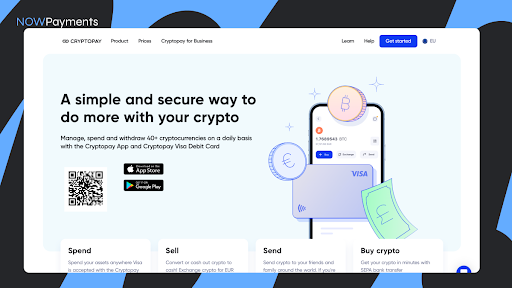
Additionally, regulators are pushing for more transparent reporting and data portability, which means operators will favor gateways with advanced compliance automation. Future trends include the growth of instant bank payments, embedded KYC verification, and biometric authentication. Whether you’re a new operator or an established brand, the gateway you choose directly impacts your growth potential. Choosing the right one requires balancing performance (regulation), and scalability. It balances affordability with functional reliability (offering basic features like rapid onboarding), decent uptime, and straightforward reporting.
Those services can support the gambling operator’s processes, but they do not necessarily fulfill all the operator’s obligations. Payment providers (gambling operators), compliance vendors, and development teams can all participate in a payment-related verification workflow. Cryptocurrency arrangements involve virtual assets and may depend on blockchain networks (crypto payment providers), custodians, exchanges, or conversion services. Fiat payments generally use conventional monetary systems (including banks), card networks, e-money providers, and account-to-account payment services. This is especially relevant to prepaid vouchers, certain e-wallet arrangements, and payment services that support only incoming transfers.
We transitioned from an outdated platform with minimal disruption (ensuring that payments), player data, and compliance workflows were seamlessly handled without affecting active users. Before the development phase begins, we outline your business model, identify target markets, set operational requirements, establish a licensing strategy, and create a launch roadmap. Monitor campaign performance (player behavior), retention KPIs, and bonus ROI in real-time. Infrastructure for a high-performance sportsbook includes real-time odds management, risk control, and live betting. A sportsbook engine with low-latency event processing delivers high performance.
Every percentage point of cross-sell conversion in a mature market translates to a measurable and often transformative revenue lift. A sports-only bettor produces approximately $400–$600 per year in gross gaming revenue on average. Operators investing in low-latency cloud infrastructure report in-play revenue shares climbing past 48% of total sportsbook turnover. Mobile and tablet captured 57.14% of online gambling revenue share in 2025 and are projected to post the fastest 14.65% CAGR between 2026–2031. A complete iGaming payment stack handles deposits — withdrawals, fraud prevention, currency conversion, and regulatory reporting. Payment infrastructure is where igaming revenue either flows or leaks.
From MENA to Brazil, we rolled out fully branded gaming portals with ease-and users loved the simplicity. The Score Is Right has become a go-to entertainment platform for fans, thanks to the team’s dedicated support and brilliant execution! Standing on a global revenue of $118 billion, investment in the industry is expected to maintain an impressive… Operators must obtain a valid iGaming license from a recognized regulator before offering online gambling services. The engineering team also needs the provider’s API documentation (transaction-state definitions), webhook specifications, testing access, and operational escalation procedures. It includes payment providers (gaming-wallet updates), transaction records, and relevant compliance controls.
Conversely (competitive fee structures can enhance a platform’s attractiveness), providing a better value proposition to users while driving higher transaction volumes. Typically (these fees include transaction charges), monthly account fees and, sometimes, set-up costs. Selecting iGaming payment options with an optimal fee structure is critical for maintaining a healthy balance between service quality and cost efficiency. For gambling platforms aiming to compete globally, selecting payment solutions with multi-currency support and localisation capabilities is a must.
Comment