

Craps Snake Eyes Explained Through a Player-Fit Lens
When the dice settle and the table holds its breath, craps snake eyes explained becomes less about superstition and more about how a casino interface rewards or quietly punishes low-probability rolls. Bright lights and celebratory sounds turn even small wins into dopamine-triggering events, which is why a clear layout matters just as much as the odds themselves. For punters who prefer data over drama, the real test is whether the screen, menus, and payout logic actually help you keep track of your bankroll before the next arvo session gets away from you.
Reading the table layout and payout logic
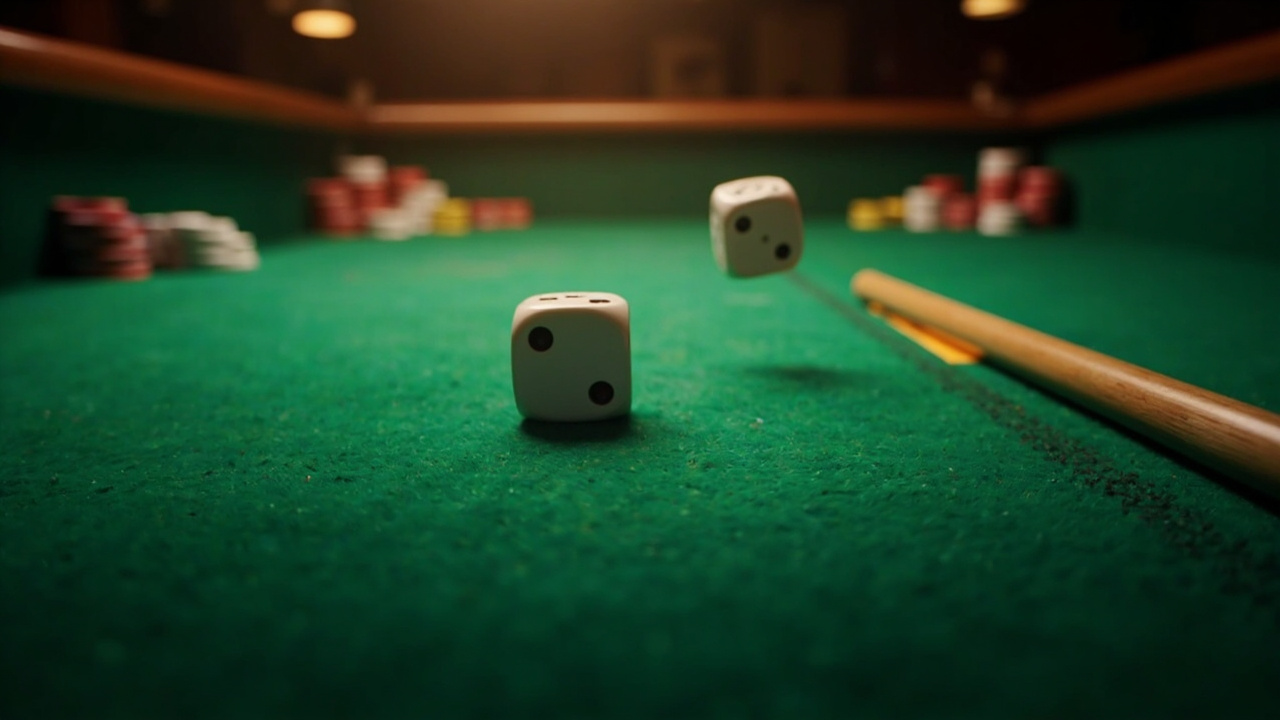
A solid craps table should let you see the odds, the house edge, and your current stake without hunting through layers of menus. The best localisations keep the dice values, bet names, and payout multipliers front and centre, with currency displayed in AUD so you are not mentally converting every line while the shooter is rolling. Navigation should feel obvious rather than clever, because when the table gets busy as a Saturday night at a Canberra club, you do not want to be guessing which button locks in your pass line or how the odds behind it are calculated. Some scratch-card players use statistical “tracking” of remaining prizes to find better games, and a similar mindset works here: if the interface hides the true payout structure or buries the house edge behind flashy animations, you are making decisions on gut feel instead of numbers. A clean table layout also matters for mobile play, where thumb-friendly buttons and a readable grid prevent accidental taps when the pace picks up. The point is not to make the game look sterile; it is to make the risk visible enough that you can decide whether a long shot like snake eyes fits your staking plan at all. https://spin-samurai-l0gin.com
How snake eyes fits into real betting decisions
Snake eyes is the two-dice outcome of 1-1, and in most standard craps layouts it sits firmly in the high-house-edge corner of the table. That does not make it a bad bet in a moral sense; it makes it a low-frequency, high-variance proposition that should only be sized to match the rest of your session plan. When you are weighing whether to take a single roll bet versus a multi-roll line bet, the interface should make the probability and the expected loss per throw easy to compare, not just flash a big number on the screen. I have spent enough time analysing wagering markets to know that the worst decisions happen when a player chases a rare outcome because the table noise makes it feel closer than it is. If you want a clearer read on how lay bets change your risk profile on the opposite side of the table, you can check craps rules lay bets explained for clearer table decisions, which walks through the mechanics without dressing them up. The practical takeaway is simple: treat snake eyes as a small, optional side bet rather than a core strategy, and make sure the platform shows you exactly what you are giving up in edge every time you press it.
Registration, payments, and everyday usability
Everyday usability is where a lot of online craps products either earn their keep or start leaking time. Registration should be straightforward, with clear fields for age verification and identity checks that are spelled out before you deposit, not buried in fine print after the fact. Payments need to be transparent about currencies, processing times, and any limits, with AUD options where available so you are not watching exchange margins eat into your bankroll between sessions. Support should be reachable without a scavenger hunt, and loyalty or bonus mechanics should be written in plain English so you can see the wagering requirements and game contributions without translating marketing speak. I have reviewed enough wagering products to know that a slick bonus offer means very little if the withdrawal path is vague or the terms shift depending on how you got in. Mobile play should preserve the same clarity you get on desktop, with the same bet slip logic, the same payout display, and the same localised language, because a table that feels different on a phone is usually hiding something in the translation. When the whole flow is consistent, you can actually focus on the dice instead of the paperwork.
Expert judgement on table design and player fit
The smartest table designs are the ones that respect the player’s time and money instead of trying to outshine the game itself. William O’Brien, Compliance Director, Yarra Gaming Lab, has pointed out that clear payout language and visible risk labels are not just nice-to-have polish; they are what keep a table readable when the action speeds up. Abigail Robinson, Strategy Director, Eucalypt Digital Advisory, has argued that localisation should go further than swapping dollars for dollars, because the way a table presents odds, bet names, and confirmation prompts changes how often players second-guess themselves mid-roll. That matters for snake eyes especially, because a bet this far into the long shot category needs honest presentation more than it needs a louder animation. If you are the sort of player who likes to measure variance, compare edges, and keep your staking plan intact, a transparent table will suit you better than one that leans on spectacle. If you are mainly chasing the buzz of a crowded table and do not mind paying a premium for the atmosphere, the same layout may feel too clinical. Either way, the fit comes down to whether the product helps you see the maths before the dice land.

So here is the real question: do you want a craps table that helps you keep your bankroll in view, or one that keeps you staring at the lights while the odds do their work? Tell us how you size your long-shot bets, and pass this along to a mate who is always asking why the dice keep beating the maths. Craps Rules Lay Bets Explained For
Comment